Farm Visits
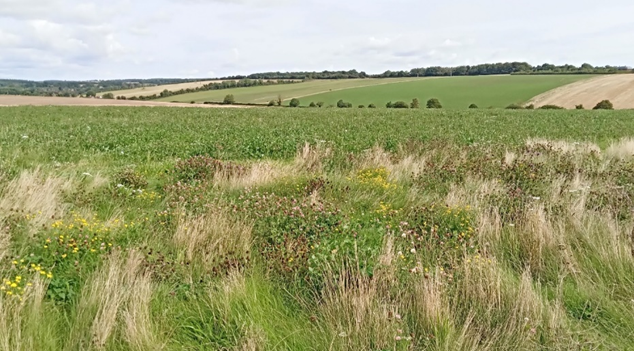
Downland Farming welcomes educational visits from reception age to Year 13 students. We look forward to working with schools to help young people connect with the farming.
A farm study here will engage students with the surrounding environment and make deeper place connections to support well-being. Each visit is bespoke, to the group’s learning needs.
The farm team can tailor visits for schoolchildren from KS1 to KS5, with activities to support literacy and numeracy, encourage curiosity and promote a first-hand understanding of curriculum-appropriate geography and environmental science. The team here includes a qualified, CEVAS-certified geography teacher Alison and her husband Paul, who runs the farm. We will introduce you and your students to our nature friendly farming methods which support nature and build biodiversity alongside producing food.
You are welcome to contact us for free school visits. We recommend a pre-visit to carry out a risk assessment and to ensure the content of the visit is age- and curriculum-appropriate. During the pre-visit we will share the risk assessment with you. We advise you allow sufficient time to include a farm tour which will last at least two hours.
Activities
Facilities
During the tour of Rookery Farm, we will use the land as an outdoor classroom to explain the links between farming, conservation and food production. Fieldwork will enable pupils to gather data in a variety of ways on the tour. These will vary according to the group’s needs. They can include studying soils, hedgerows, flower rich field margins, beetle banks, listening to nature (creating a sound map), field sketching, photography, poetry, alongside building written and numerical evidence.
Children will have the opportunity to feed hens, collect eggs, study different grains and learn more about where their food comes from. A farm walk can become a scavenger hunt on which the children seek out and identify different flowers, leaves, trees and birds.
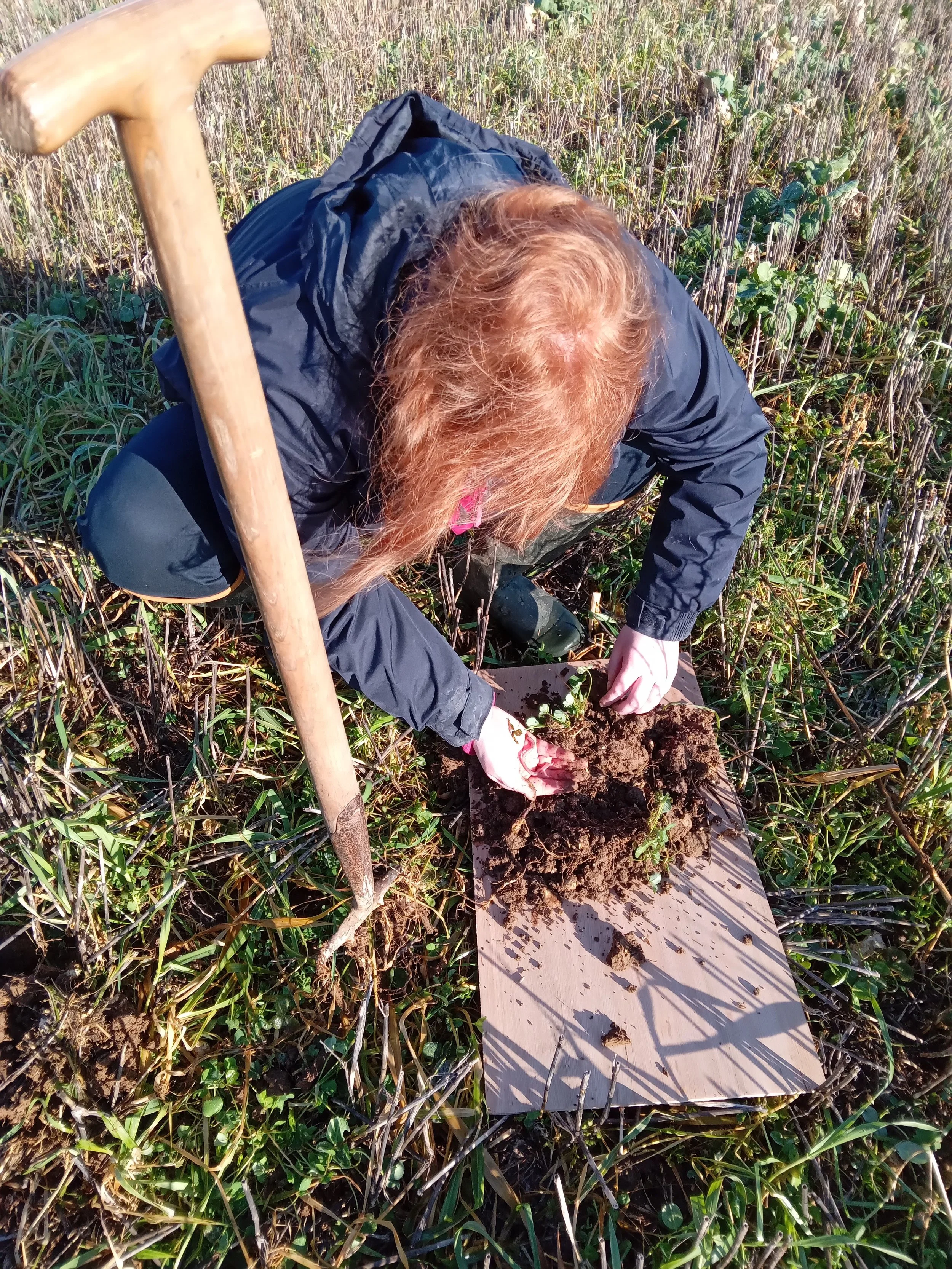
Older pupils can investigate soil health through carrying out worm counts, testing soil pH and looking at the soil structure. Pupils are encouraged to work in groups to evaluate the farm’s contribution to enhancing biodiversity. Pitfall traps can be set in a transect across and field to enable pupils to count the number of insects at different locations. Quadrats are available to measure the numbers of different flowers in flower-rich margins across the farm. By the end of the visit the pupils will have a greater insight into how their food is produced while linking it to conservation and nature.
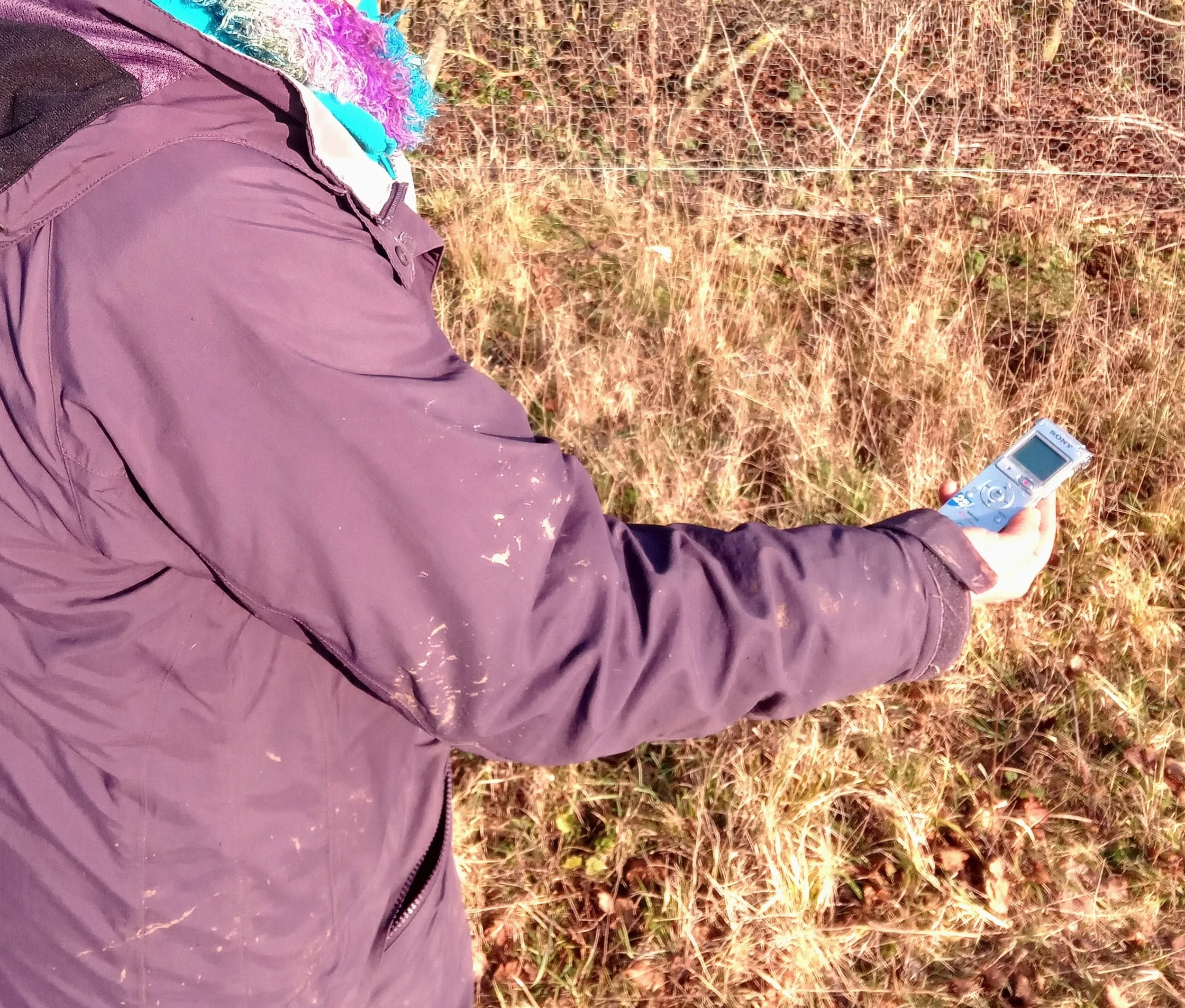

The activities are tailored to meet the needs of the pupils whether developing language and spatial awareness, connecting with the environment, learning where their food comes from or studying for an external examination. The visit aims to bring learning about food, farming and the countryside alive through active learning experiences.
The weather station can provide a starting point to allow pupils to orientate themselves. Compass directions are relevant for primary age pupils whether through using directions, developing their directional awareness and describing the location of features. This information can be developed to realise the importance of changing weather patterns for farm activities and decision making about land use on the farm.
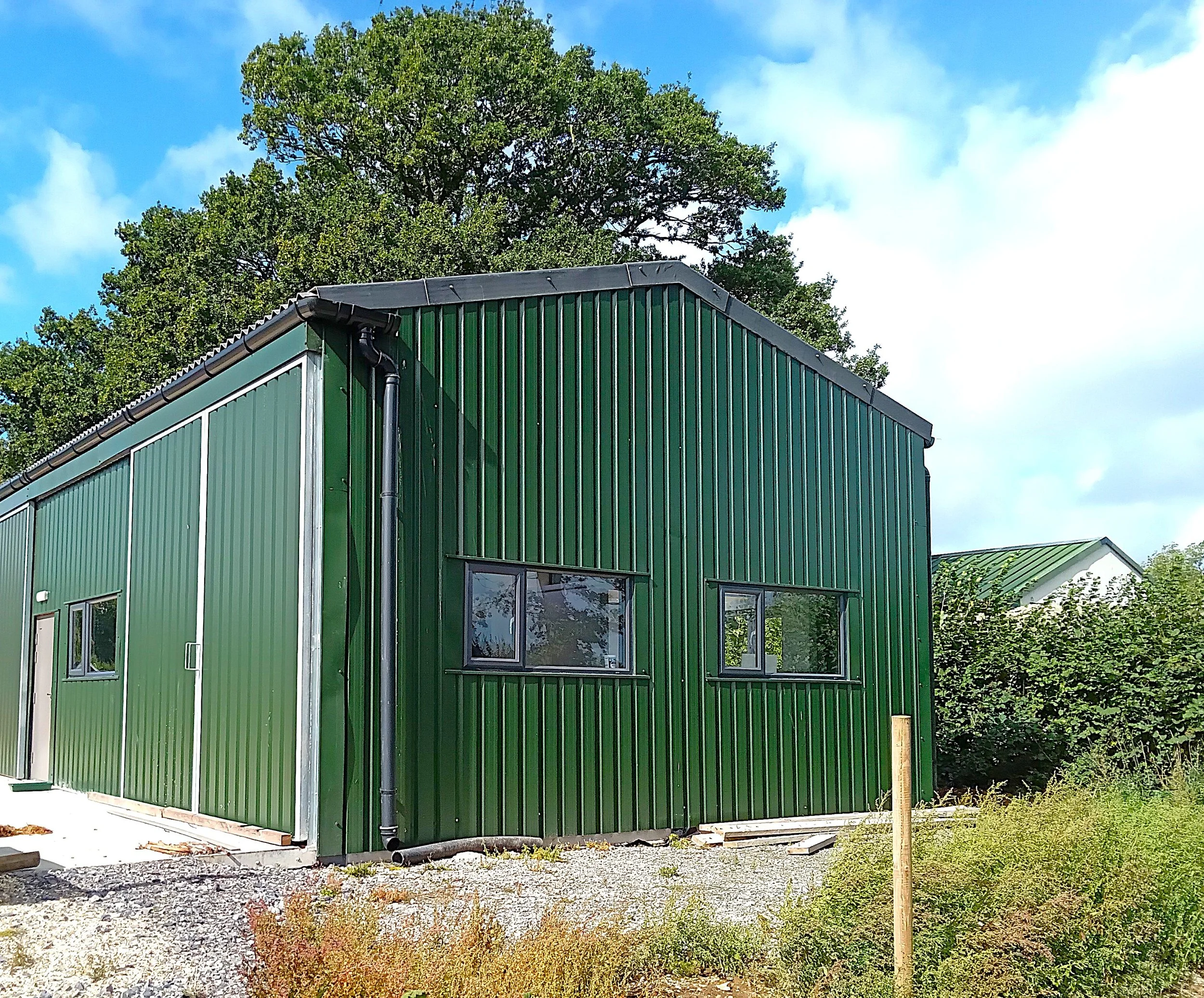
We have toilets, hand washing facilities, a small kitchen area and an indoor classroom. This bespoke area provides somewhere to carry on activities in wet weather or to develop activities using information gathered from exploring the farm in a purpose built barn extension.
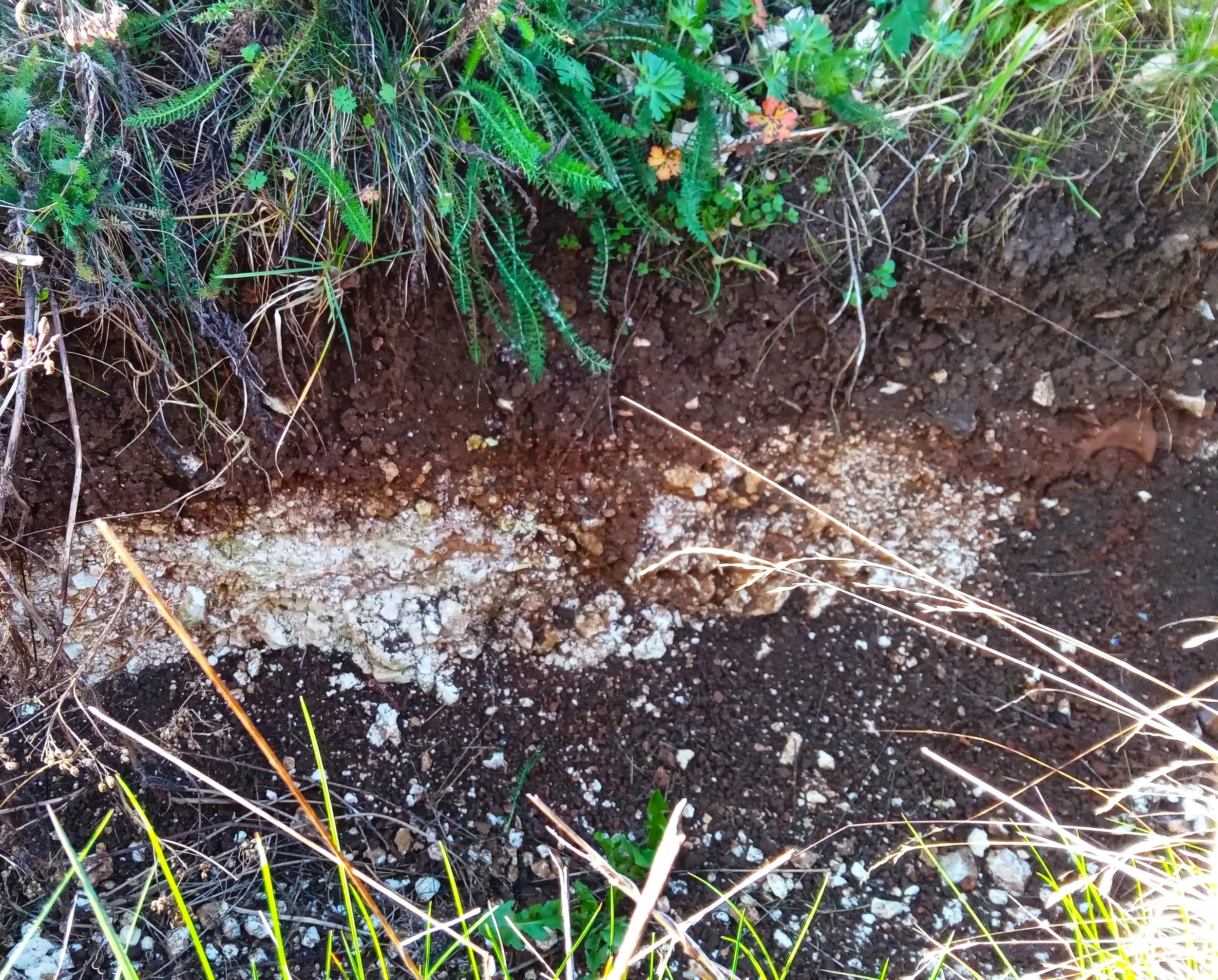
Soil Profile
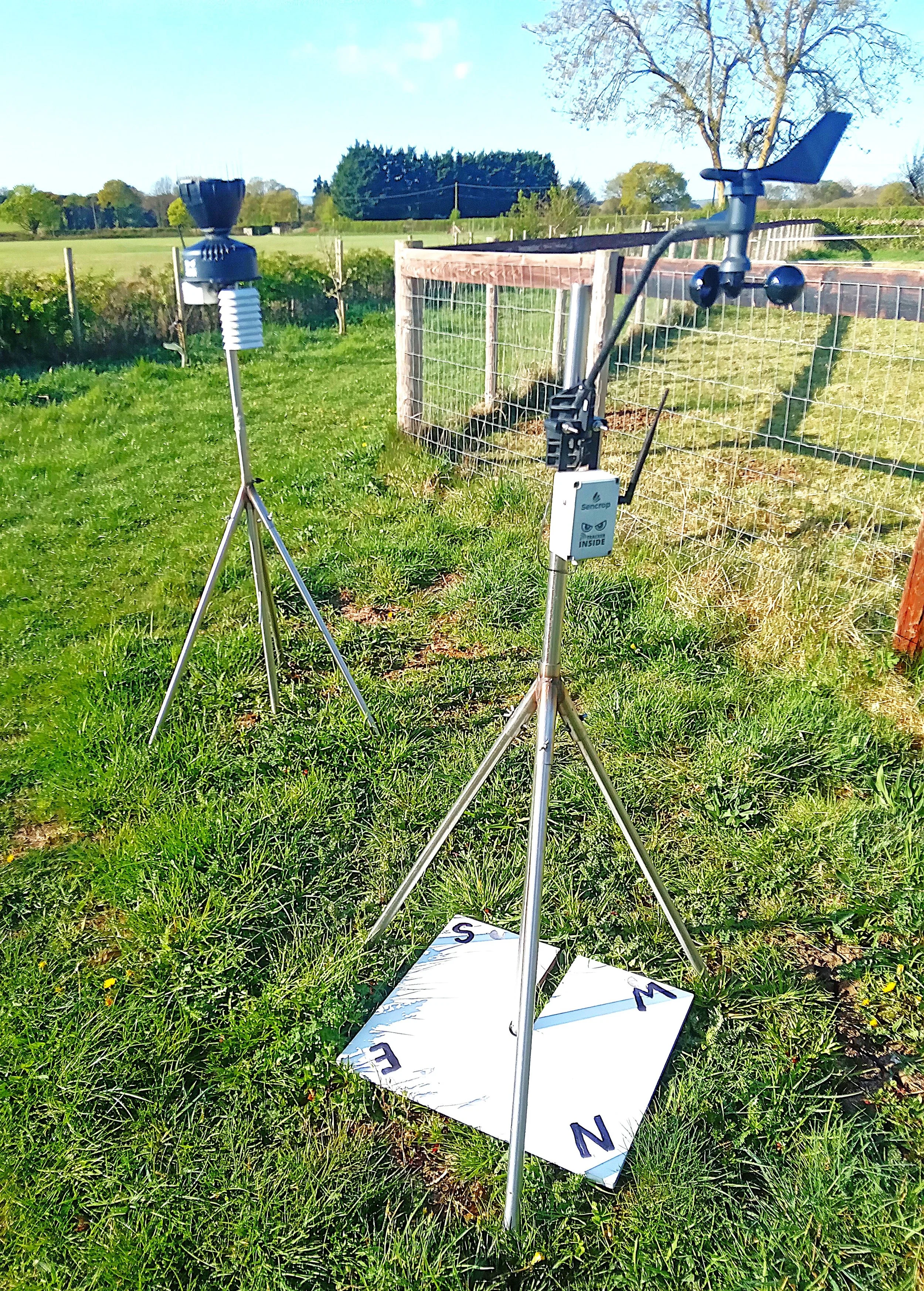
Weather station
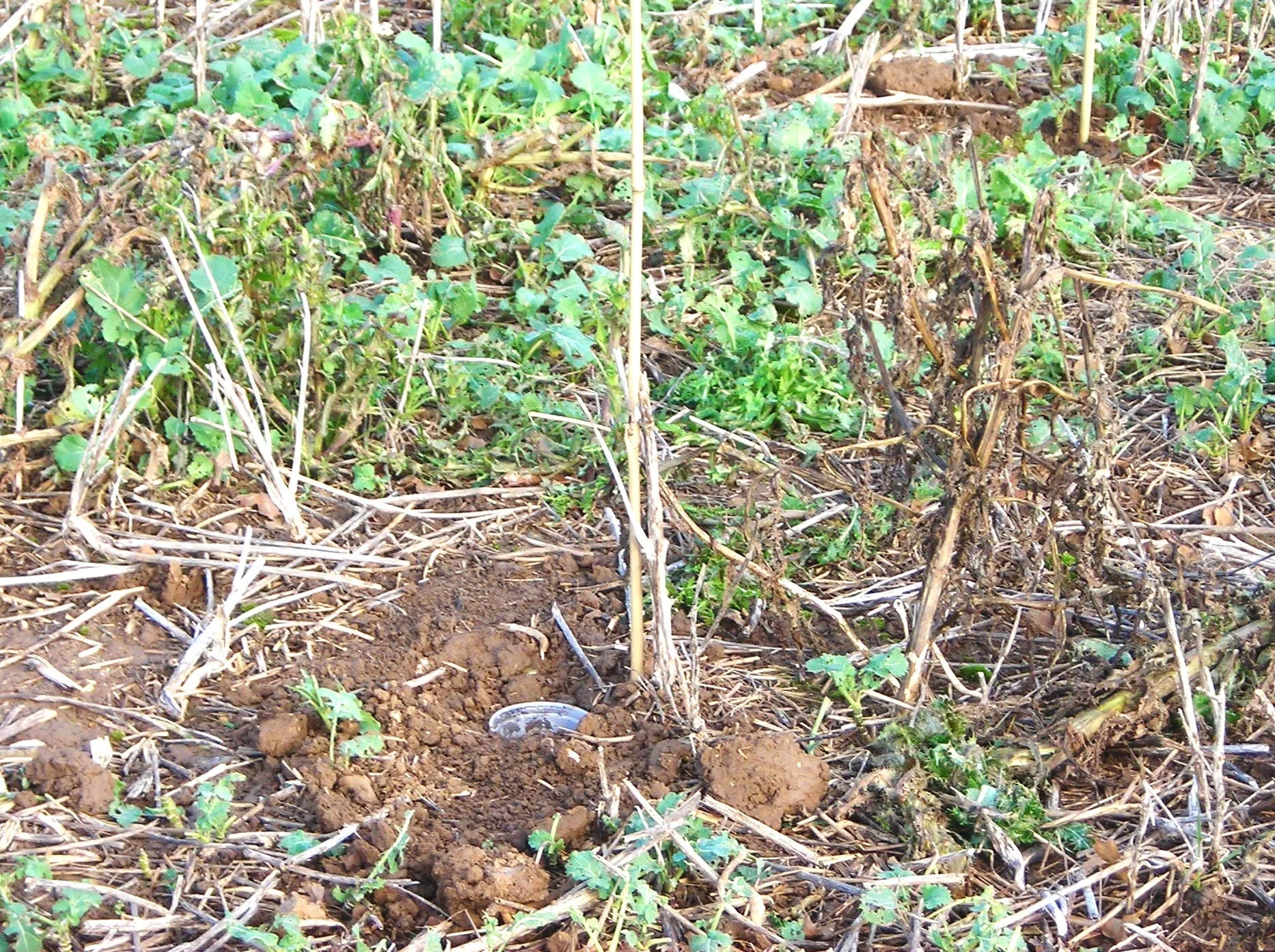
Pitfall Trap